
BOOST Impact: Reflections on 2025 and Outlook for 2026
Maarten van den Elshout
BOOST Community Manager
March 11, 2026

In 2025, we continued our mission to empower student teams and accelerate innovation across the Brabant region. Now that we are a few months into 2026, it’s a good moment to reflect on the impact we made last year and what it means for the future.
Supporting the Next Generation of Innovators
Throughout the year, we worked together with the Province of North Brabant to provide financial support to a wide range of student teams through two funding programs.
Through our Kickstarter Grant program seven early-stage teams received support with a total value of €10,500. The grants were awarded to Team Revive, Enter Breda, Team Flow, Stichting Law & Innovation Tilburg, Hybrid Maglev Railways, Cyano2, and Eden. These grants help promising ideas take their first steps toward development and experimentation.
What makes these teams particularly valuable is their multidisciplinary composition. Students from TU Eindhoven, Avans University of Applied Sciences, HAS University of Applied Sciences, Curio, Fontys University of Applied Sciences, the Juridische Hogeschool, and even the University of Twente collaborate within these teams, bringing together different perspectives and educational backgrounds.
In addition, we awarded nine Innovation Grants with a combined value of €318,917.72. These grants, ranging between €25,000 and €40,000, were awarded to Aster, Polar, VIRTU/e, Void, InMotion, Aero, TU/ecomotive, SOLID, and URE. Through this funding, teams are able to further develop advanced technologies in fields such as sustainable mobility, energy systems, and space technology.
Milestones
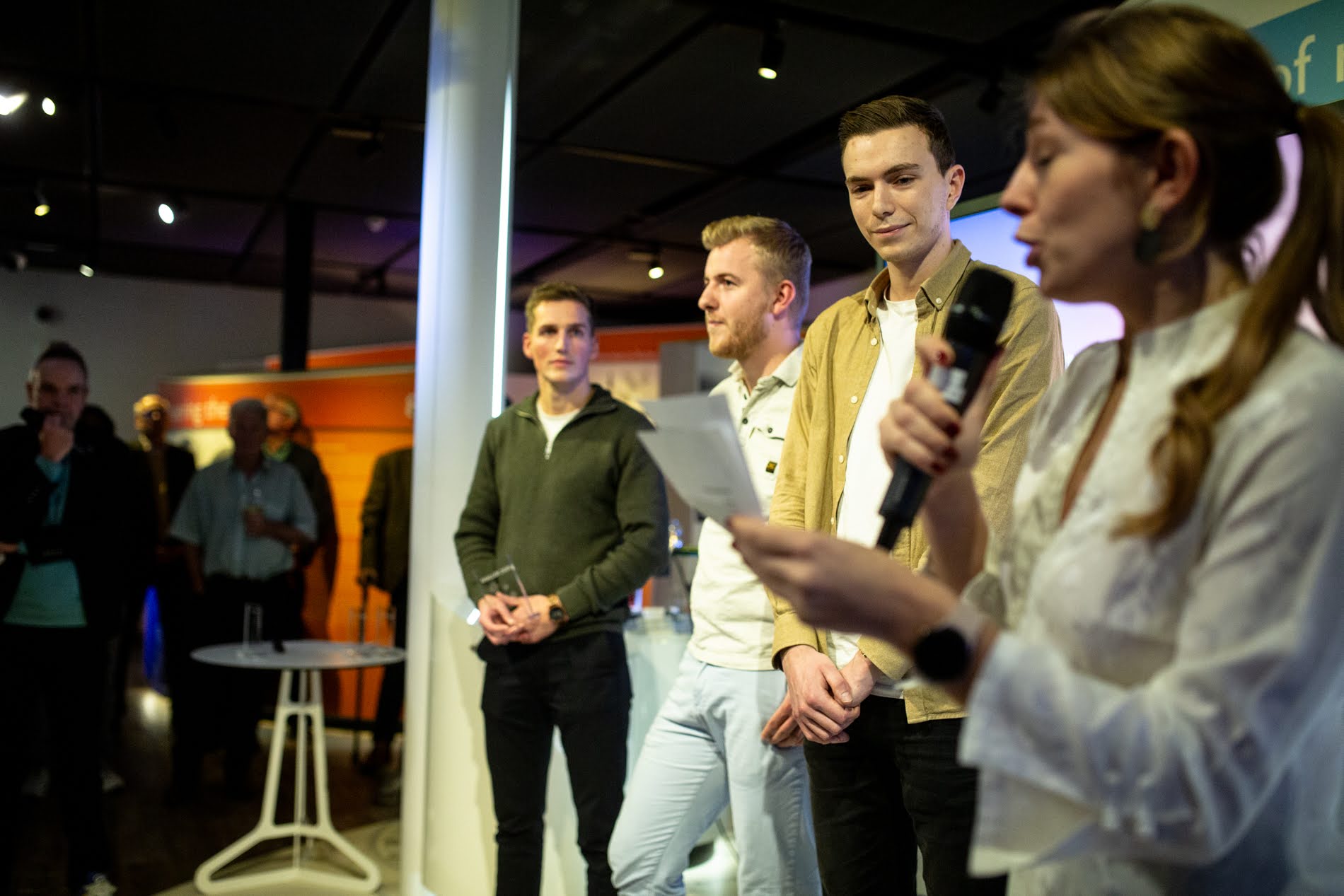
The year started on a strong note. In January, we received the Knaller Award at the Gerard & Anton Awards. This award recognizes initiatives expected to make a major impact in the coming year. The jury specifically highlighted our mission to connect educational backgrounds and strengthen the Brabant student team ecosystem.
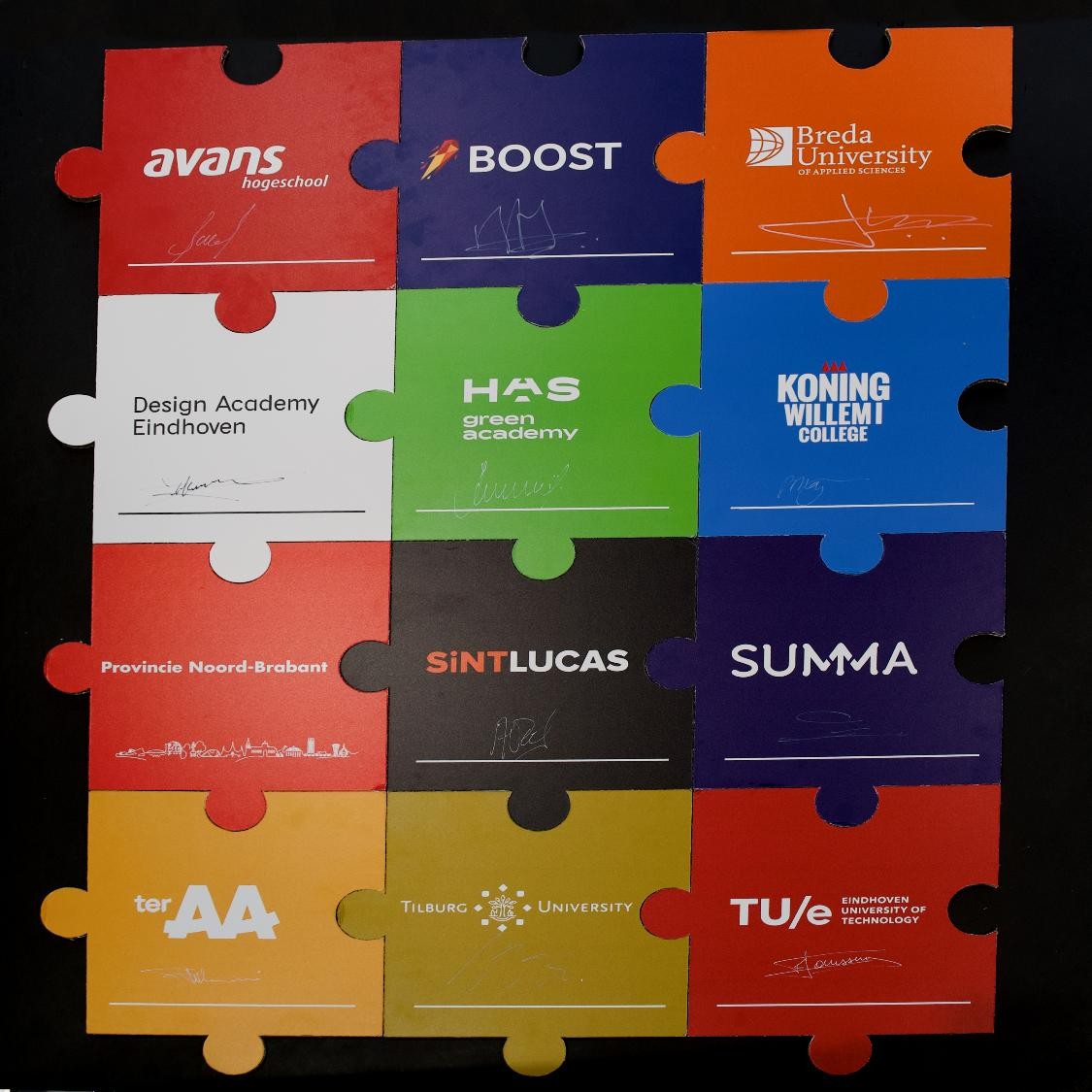
Another important milestone was reached in July 2025, when we coordinated the signing of a five-year covenant between ten educational institutions and the Province of Noord-Brabant. This agreement forms the largest collaboration between student teams and educational institutions in the Netherlands. By lowering traditional educational barriers, the covenant makes it easier for students from different institutions to participate in student teams, for example through internships or project-based coursework. In addition, the participating institutions play an active role in promoting and increasing awareness of student teams among their students, helping more students discover the opportunities that student teams offer. In January 2026, Fontys University of Applied Sciences also signed the covenant, further strengthening the collaboration. Together, the participating educational institutions represent more than 150,000 students.
The growth of our ecosystem was also reflected in our online reach and visibility. In 2025, our LinkedIn community grew by more than 300 followers, generating over 90,000 impressions, while our website was visited more than 6,000 times. This growing engagement shows the increasing interest in student-driven innovation.
Reflection and Outlook for 2026
The developments of 2025 underline both the strength and the evolving nature of the BOOST ecosystem. Over the past year, we have seen strong engagement from student teams and partners, as well as increasing visibility for the support we provide. At the same time, the year highlighted an important pattern within the ecosystem. Many of the supported teams originate from TU Eindhoven, which is a logical result of the university’s long-standing and well-developed student team culture. However, this concentration also emphasizes the opportunity and need to further broaden participation across the wider regional educational landscape.
Looking ahead, we will place additional focus on strengthening engagement beyond TU/e while continuing to support the strong foundation that exists there. Expanding the diversity of institutions, disciplines, and student backgrounds involved will be key to achieving our ambition of regional impact. By further connecting educational partners across Brabant and increasing awareness of the opportunities within the ecosystem, we aim to enable a broader group of students to contribute to innovation and strengthen the collective impact of student teams in the region.